Solidarity tourism in Madagascar: travelling to make a positive impact
Travelling is much more than simply getting from one place to another. It is an encounter with a region, a culture and a people. In Madagascar, where natural and cultural riches coexist alongside socio-economic challenges, responsible tourism takes on its full meaning. It allows visitors to discover the island in an authentic and respectful way, whilst having a positive impact on local communities.
But what exactly is solidarity tourism? How can you travel ethically and responsibly in Madagascar? Who are the organisations involved, and what experiences should you not miss? This guide will help you understand how to explore Madagascar in a different way, whilst leaving a positive impact on the island and its people.
What is solidarity tourism in Madagascar?
Solidarity-based tourism is an approach that places people and the environment at the heart of travel. Unlike mass tourism, which can sometimes deplete local resources and disrupt ecosystems, solidarity-based tourism aims to:
- To foster genuine engagement with local communities.
- Supporting the local economy by prioritising committed stakeholders.
- Protecting the environment and traditional cultures.
- To raise travellers’ awareness of local realities and the challenges of sustainable development.
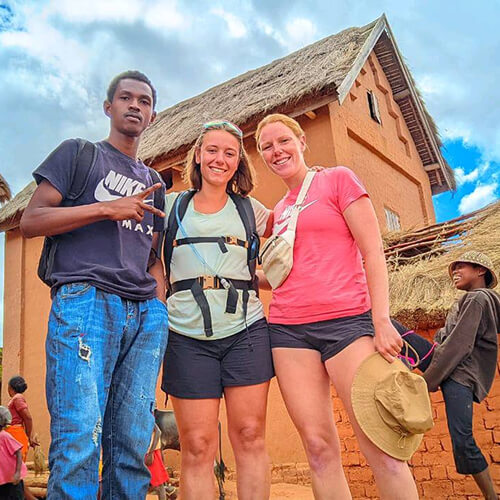
In Madagascar, this form of tourism is vital: 80 per cent of the population lives below the poverty line, and some remote regions do not benefit from the economic benefits of traditional tourism. Opting for a solidarity-based holiday means choosing to make a positive impact by supporting local initiatives that make a difference.
Why choose a solidarity trip to Madagascar?
Madagascar is an island of extraordinary diversity, both in terms of its natural environment and its culture. Yet it is also one of the countries most vulnerable to climate change and economic inequality.
By choosing to travel responsibly, you are helping to:
- Environmental protection: by supporting eco-lodges, eco-friendly tours and nature reserves.
- Empowering local communities: by travelling with local guides, staying with local families or buying handmade crafts.
- Educational and social development: by taking part in community projects such as supporting rural schools or craft cooperatives.
A solidarity-based trip does not mean less comfort or higher costs. It is a more mindful way of discovering Madagascar, where the focus is on the quality of the encounters and the authenticity of the experiences.
Experiences and tours focusing on responsible tourism in Madagascar
Living in a rural village as part of a cultural immersion programme
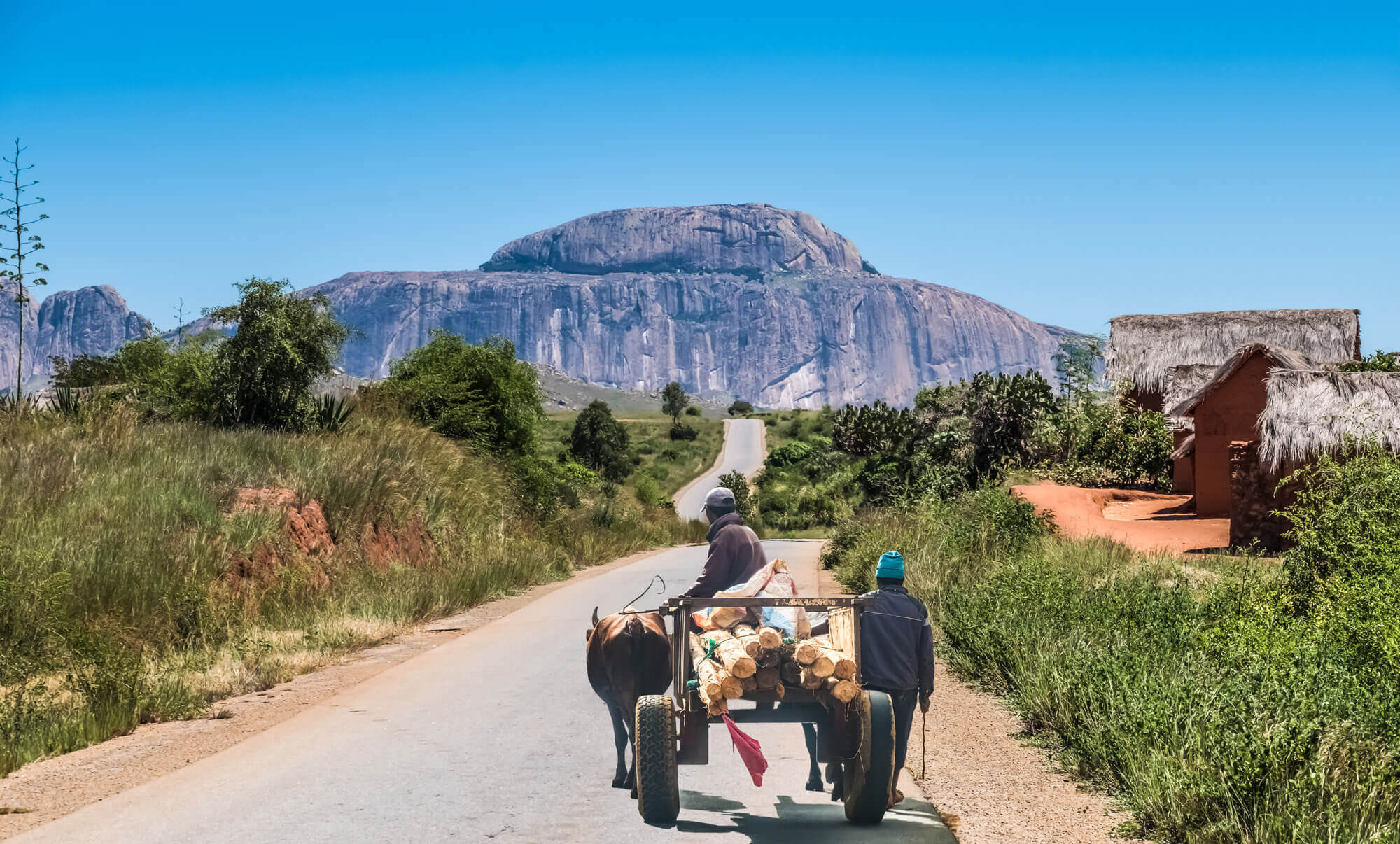
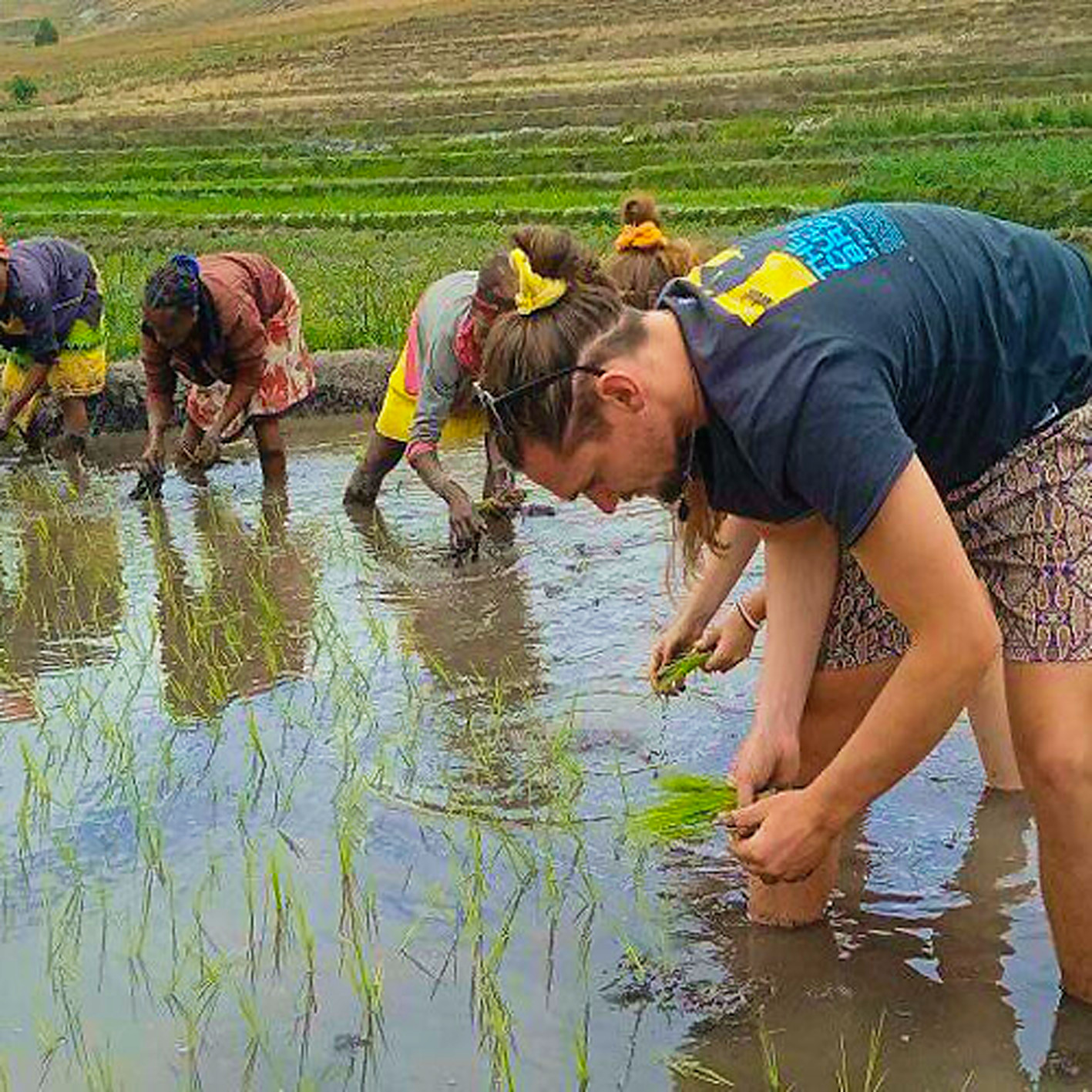
Spending a few days in a village in the Highlands or on the west coast offers a unique insight into the daily lives of the Malagasy people. You’ll be welcomed into a local’s home, learn traditional farming techniques (rice, vanilla, cocoa) and share simple yet authentic moments with the community.
Example of an experience: A stay in a Betsileo village to learn the art of terraced rice farming and discover local agricultural traditions.
Sharing in the daily lives of the Vezo fishermen
The Vezo, a nomadic fishing people, live in perfect harmony with the sea. As you set out in their traditional canoes, you’ll be able to discover their ancestral way of life and learn how to navigate and fish responsibly.
Example of an experience: A trip to Anakao or Salary, where you’ll live in tune with the tides and gain an understanding of the challenges involved in conserving marine resources.
Learning traditional craft skills
Madagascar boasts a wealth of exceptional craftwork: marquetry, woodcarving, basketry, Antaimoro paper, embroidery… By visiting workshops or taking part in a course, you are supporting the work of local craftspeople and helping to keep these traditions alive.
Example of an activity: A workshop in Ambositra, a town renowned for its Betsileo woodcarvers, where you can make your own carved wooden object.
Staying in an ecological reserve and supporting conservation
Madagascar’s natural heritage is under threat from deforestation and poaching. Fortunately, some local organisations are carrying out conservation and reforestation projects. By staying in an ecological reserve, you will be able to:
- Take part in reforestation activities.
- Observe the native wildlife in a way that respects the environment.
- Learn alongside researchers and passionate guides.
Example of an experience: A trip to the Anja Reserve, where you can spot lemurs and take part in biodiversity conservation activities.
Staying with a local family or at an ecolodge
Rather than staying in impersonal hotels, opt for socially responsible accommodation. Guesthouses run by Malagasy families or eco-lodges committed to ecotourism offer a rich cultural exchange and a more authentic experience.
Example of an experience: Staying at an eco-friendly lodge near Ranomafana National Park, where the revenue is reinvested in local projects.
Tips for a successful solidarity trip
- Shop locally: Choose local markets, restaurants and independent tour guides.
- Respect local traditions: Each ethnic group has its own ‘fady’ (cultural taboos). Find out more before your visit.
- Buy directly from local craftspeople: Avoid mass-produced souvenirs and support responsible shopping.
- Travel with minimal impact: Take a filter water bottle with you, avoid plastic and respect nature.
A socially responsible trip does not mean giving up your comfort, but travelling mindfully, in a way that has a positive impact.
Travelling differently: a committed choice
Aurélien M.
Local agent
Madagascar is a land of adventure, but also a fragile island, where tourism can be a driver of development or a cause of environmental degradation. By choosing responsible tourism, you are helping to ensure a respectful journey, centred on cultural exchanges and the preservation of the island’s natural and cultural heritage.
A trip becomes memorable not only because of the scenery you see, but also because of the people you meet and the bonds you form. Madagascar offers you this opportunity.