Ecotourism in Madagascar: a guide to unspoilt natural sites
Madagascar is an island with breathtaking landscapes, boasting one of the world’s richest biodiversity. From lush primary forests to majestic baobabs and exceptional coral reefs, the ‘Red Island’ is an ideal destination for ecotourism.
However, this exceptional natural environment is under threat from deforestation, overfishing and climate change. Travelling through ecotourism means exploring Madagascar responsibly, minimising your impact and supporting local initiatives dedicated to environmental conservation.
If you’d like to discover Madagascar in a different way, here are the best ecotourism destinations and immersive experiences that will allow you to travel in a respectful and authentic way.
What is ecotourism in Madagascar?
Ecotourism is a form of sustainable travel that emphasises:
- The conservation of biodiversity and natural resources.
- Supporting local communities through community-based tourism.
- Observing flora and fauna in a way that respects them.
- Reducing the environmental impact of travellers.
Madagascar, home to 5 per cent of the world’s biodiversity, is an ideal destination for an eco-friendly and socially responsible holiday. A number of local initiatives enable visitors to explore the island whilst helping to preserve it.
Where should you go for an ecotourism trip to Madagascar?
1. Andasibe-Mantadia National Park: A sanctuary for lemurs
If you want to see lemurs in their natural habitat, Andasibe-Mantadia National Park is a must-visit destination. Located just three hours from Antananarivo, this park is home to the indri indri, Madagascar’s largest lemur.
Why is it environmentally friendly?
- Sustainable forest management
- Local guides trained in conservation
- Reforestation projects and the protection of endangered species
An experience not to be missed: a dawn walk to hear the enchanting song of the Indris, which echoes through the forest like a mystical call.
2. The Makay Massif: An unexplored paradise
Makay is one of the island’s last unspoilt sanctuaries, with its spectacular canyons and endemic wildlife. It is still relatively unvisited by tourists, making it the perfect destination for ecotourism.
Why is it environmentally friendly?
- Area protected by the Naturevolution charity
- Environmentally friendly deliveries
- A camping trip for a total immersion experience
An experience not to be missed: an expedition with scientists to take part in research into the as yet little-known species of this remote region.
3. Sainte-Marie Island: beaches and whale-watching
Situated off the east coast, Sainte-Marie is an ideal destination for lovers of marine ecotourism. Known as a sanctuary for humpback whales, it offers the chance to spot these giants of the sea between July and September.
Why is it environmentally friendly?
- Whale-watching in an environmentally responsible manner
- Local marine conservation initiatives
- Eco-lodges and eco-friendly accommodation
A must-try experience: Swimming with turtles in crystal-clear waters and exploring the mangrove swamp in a traditional canoe.
4. The Highlands and an immersion in Malagasy culture
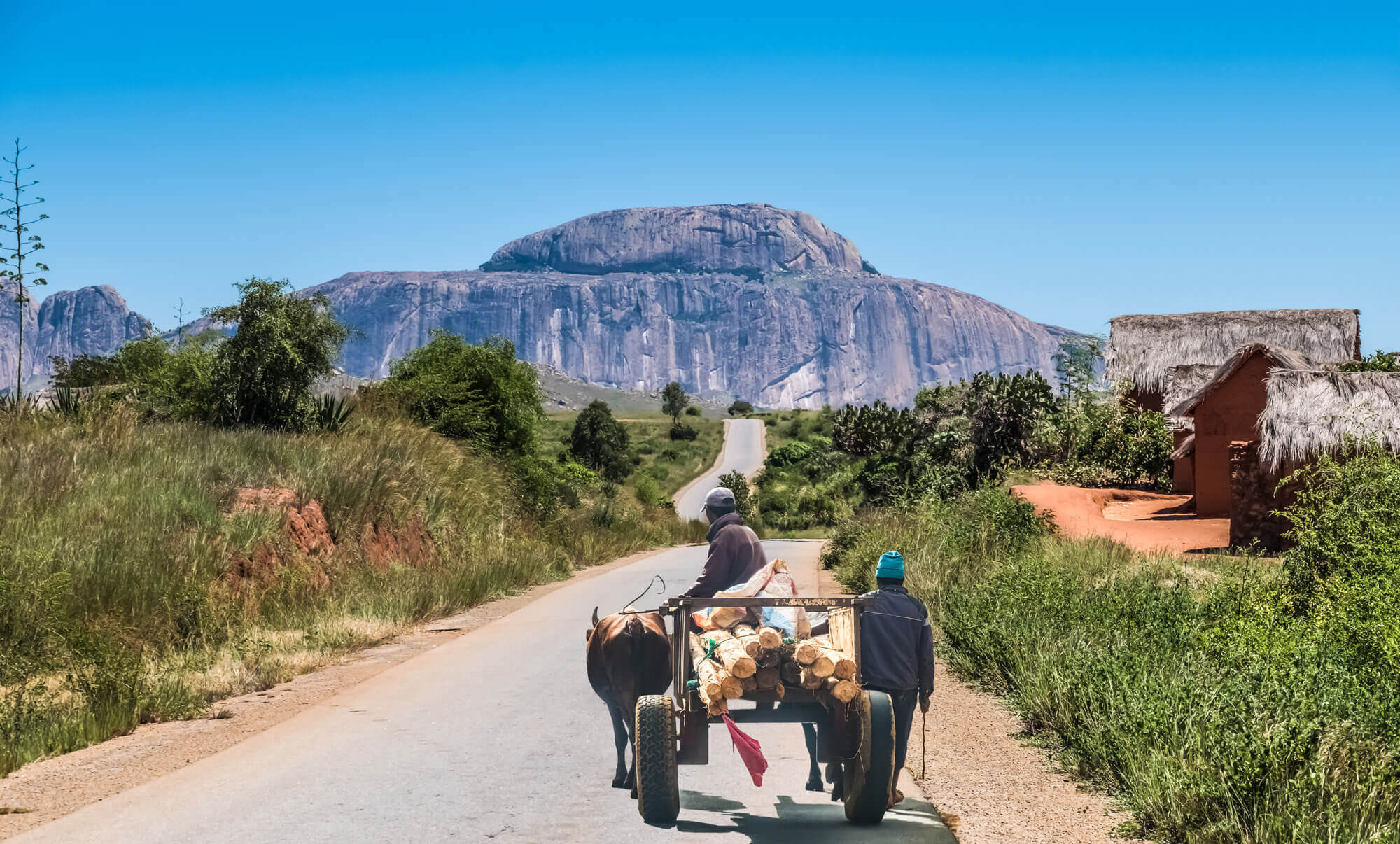
The Malagasy Highlands offer an unrivalled cultural immersion. With their terraced rice fields, traditional villages and craft workshops, they provide an authentic and deeply human experience.
Why is it environmentally friendly?
- Community-based tourism that directly benefits local residents
- Homestay accommodation for a cultural immersion experience
- Learning local craft techniques
A must-try experience: Staying in a Betsileo village and learning how to make Antaimoro paper or grow rice on terraced fields.
5. The Nosy Tanikely Marine Reserve: Eco-friendly diving
Madagascar is home to one of the world’s most beautiful coral reefs. Nosy Tanikely, off the coast of Nosy Be, is a marine protected area, ideal for diving and snorkelling.
Why is it environmentally friendly?
- Fishing ban to protect the seabed
- Eco-friendly diving: touching the corals is prohibited
- Raising visitors’ awareness of marine conservation
An experience not to be missed: a dive with manta rays and tropical fish, whilst contributing to a reef conservation programme.
5. Explore the Pangalanes Canal by pirogue
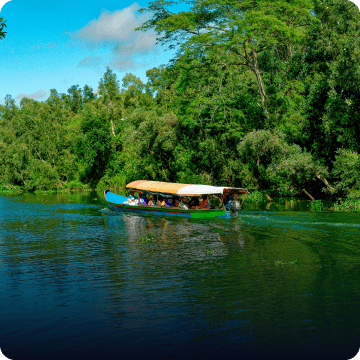
This network of lakes and rivers, running along the east coast, offers a unique experience of total immersion in nature.
Why is it environmentally friendly?
- Non-motorised transport (zero carbon footprint)
- Discover the fishing villages and their traditional way of life.
An experience not to be missed: Spend a night in a floating lodge, far from the hustle and bustle.
Tips for responsible ecotourism
An ecotourism trip is not just about choosing unspoilt destinations. It is also about behaving responsibly throughout your stay.
- Please respect nature reserves and parks: do not stray from the marked paths.
- Reducing your carbon footprint: opt for travelling by train, walking or using public transport.
- Support local craftspeople rather than buying mass-produced souvenirs.
- Avoid single-use plastics and opt for biodegradable products.
- Do not encourage the keeping of animals in captivity: do not attend shows featuring lemurs or turtles in cages.
Travelling differently to protect Madagascar

Aurélien M.
Local agent
Madagascar is a fragile and precious island that deserves to be explored with respect and care. Ecotourism offers a more sustainable way to discover its wonders, whilst having a positive impact on the environment and local communities.
Whether by taking part in conservation initiatives, staying at eco-lodges, or simply travelling in a more responsible way, everyone can help to preserve Madagascar’s beauty for future generations.