Travelling to Madagascar: a comprehensive guide to planning your trip (local expertise)
A land of contrasts and natural wonders, Madagascar is a destination that leaves no one indifferent. With its white sandy beaches, its lush forests teeming with lemurs, its highlands carved out by rice paddies and its deeply rooted traditions, the ‘Red Island’ promises a unique experience to those who take the time to discover it. However, organising a trip to Madagascar requires careful preparation to ensure you can fully enjoy its riches and avoid any unforeseen issues.
This comprehensive guide provides you with all the essential information you need for an unforgettable holiday.
When is the best time to visit Madagascar? Find the best time of year
Madagascar can be visited all year round, but some seasons are more suitable than others.
- From April to November: the dry season brings pleasant weather, perfect for hiking and exploring the national parks.
- From December to March: the rainy season can make some roads impassable, particularly in remote areas. However, this is also the ideal time to enjoy the lush natural surroundings and take advantage of more attractive prices on accommodation and flights.
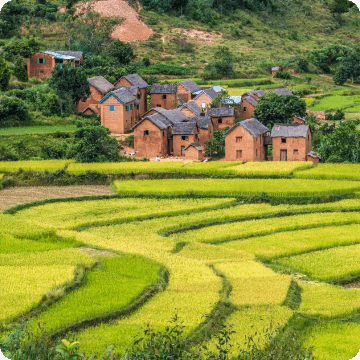
Tip: The best time to visit is from April to October, when temperatures are mild and conditions are ideal for excursions.
On the other hand, from November to March, the country enters the rainy season, making some roads difficult to access. However, this period showcases the lush natural surroundings and is ideal for those wishing to take advantage of more attractive rates on accommodation and flights. Do bear this in mind
The must-sees: what should you definitely see?
Madagascar is brimming with natural and cultural treasures. Depending on what you’re looking for, here are a few places to include in your itinerary.
1. The spectacular natural beauty of the national parks
Madagascar is a veritable haven of biodiversity, where every national park reveals unique natural treasures. The Andasibe-Mantadia National Park is one of the most accessible and offers a rare opportunity to see the famous Indri-Indri, those lemurs with their enchanting calls. Further west, the Tsingy de Bemaraha, listed in the UNESCO World Heritage Site, is striking for its jagged limestone formations that create an almost surreal landscape. As for the park at theIsalo, it is a hiker’s paradise thanks to its majestic canyons, natural pools with crystal-clear waters and breathtaking views.
2. Paradise-like beaches where you can relax
For those who dream of idyllic beaches, Madagascar has no shortage of gems. The island of Nosy Be charms visitors with its turquoise waters, its exceptional seabed and its lively atmosphere, ideal for a sunny getaway. The more peaceful island of Sainte-Marie is perfect for a holiday with the family or a romantic getaway. From July to September, it becomes a haven for majestic humpback whales, offering visitors an unforgettable natural spectacle.
3. An immersion in Malagasy culture
Exploring Madagascar also means discovering its rich cultural heritage. In Antsirabe, local artisans carry on a unique tradition through the creation of miniatures and zebu horn carvings. Further south, the Betsileo region reveals a traditional agricultural way of life, shaped by rice cultivation and deeply rooted local customs. Every region of the country tells a story, shaped by centuries of traditions and cultural exchange, offering travellers an authentic and enriching experience.
Getting around Madagascar: the best options
Madagascar, a vast island with a variety of landscapes, offers several means of transport for exploring its treasures. Each has its own advantages and disadvantages, depending on your budget, the time you have available and the level of comfort you are looking for.
1. Madagascar’s roads: a balance between economy and endurance
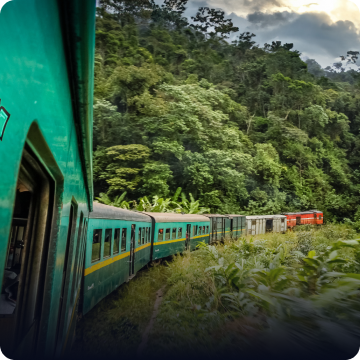
The bush taxi is undoubtedly the most economical way to travel around the country. Widely used by the local population, it connects the main towns and villages at low cost. However, journeys can be long and tiring due to roads that are sometimes in poor condition and vehicles that are often overloaded. For travellers looking for a more comfortable alternative, hiring a car with a driver proves to be an excellent option. It offers great freedom in planning your itinerary, whilst ensuring greater safety on Madagascar’s roads, which are often winding and difficult to navigate without local experience.
2. Alternatives for a more comfortable journey
For those wishing to save time, domestic flights provide a quick way to travel between major cities and certain remote regions. Although convenient, these flights remain relatively expensive and may be subject to unforeseen delays, requiring a certain degree of flexibility when planning your trip. Finally, boats and canoes are essential for reaching idyllic islands such as Nosy Be or Sainte-Marie. These crossings, which are often picturesque, offer a wonderful insight into the daily lives of fishermen and a guaranteed change of scenery from the very first moments on the water.
Whatever mode of transport you choose, travelling in Madagascar is an adventure in its own right, where patience and adaptability are often required to fully appreciate the country’s diverse landscapes and rich culture.
Tip: Book your transport in advance, especially during the peak season, to avoid any unpleasant surprises.
Formalities and practical advice
Visa and required documents
- Visa on arrival: available at the airport for stays of less than 60 days.
- Online visa (e-Visa): quick and easy via evisamada.gov.mg
- Applying for a visa at the embassy: recommended to avoid queues at the airport.
Regarding the rates in 2026, the visa for 30 days costs €35 (i.e. approximately 175,800 Ariary), whilst the visa for 60 days works out at €40 (i.e. approximately 200,900 Ariary). For stays of 90 days, only the embassy issues a specific visa at a price of €50 (approximately 251,200 Ariary). You are strongly advised to bring cash in euros or US dollars to pay the visa fees on arrival.
Currency and exchange: managing your money in Madagascar
Real-time exchange rates
Last updated: 14 November 2026 at 9.30 pm
Visa and Mastercard are accepted in major cities and in some hotels and restaurants, but their use remains limited in rural areas. Cash machines (ATMs) are mainly available in Antananarivo, Nosy Be, Tamatave and Diego Suarez.
Top tip: Avoid using cash machines at night and always carry some cash with you, especially outside major cities.
Useful contacts
French Embassy in Madagascar (Antananarivo)
- Address: Rue Jean-Jaurès, Ambatomena, PO Box 204, Antananarivo
- Telephone: +261 20 22 398 98
- Email : info@ambafrance-mg.org
- Website: mg.ambafrance.org
Key points to remember

Aurélien M.
Local agent
By bearing this practical information in mind, a trip to Madagascar can go smoothly, with better preparation for the administrative, financial and safety aspects.
✔ Visa required: on arrival, online or at the embassy. ✔ The Ariary is the local currency; make sure you have some cash for small purchases. ✔ A first-aid kit and travel insurance are essential. ✔ Plan your travel arrangements in advance, particularly domestic flights.