Health and safety in Madagascar: everything you need to know before you go
Madagascar, with its breathtaking landscapes and rich culture, is a dream destination. But as with any trip to a tropical country, there are a few health and safety precautions you should take to ensure you get the most out of your experience.
Here is a detailed guide to help you travel with peace of mind, avoid any hassles and enjoy your adventure on the Red Island to the full.
Health: Preparing before you set off
1. Get the necessary vaccinations
No vaccinations are compulsory for entry into Madagascar, but some are strongly recommended to avoid any health risks:
- Hepatitis A and B: diseases transmitted through water and food.
- Typhoid: particularly useful if you are staying in rural areas.
- Tetanus and diphtheria: don’t forget to keep your booster jabs up to date.
- Yellow fever: only compulsory if you are coming from a country where it is endemic.
- Rabies: recommended for extended stays or when in contact with animals
💡 Tip: See a doctor who specialises in travel medicine at least 6 weeks before you set off to ensure your vaccinations are up to date.
2. Protect yourself against malaria and mosquitoes
Madagascar is a malaria-risk area, particularly during the rainy season and in coastal and rural areas.
Essential preventive measures:
- Take the appropriate anti-malarial treatment (as prescribed by your doctor).
- Apply an effective mosquito repellent to your skin and clothing.
- Sleep under a mosquito net treated with insect repellent.
- Wear long, light-coloured clothing as soon as it gets dark.
💡 Good to know: Some regions are also affected by dengue and chikungunya, which are also transmitted by mosquitoes. Physical protection is the best form of prevention.
3. Avoid digestive problems
Food hygiene is key to avoiding gastrointestinal problems:
- Never drink tap water; opt for bottled or filtered water instead.
- Avoid ice cubes, as they are often made from water that is not safe to drink.
- Eat only thoroughly cooked food and avoid unwashed raw vegetables.
- Wash your hands regularly, especially before eating.
💡 Handy tip: Always carry hand sanitiser and water purification tablets with you, especially if you’re going on a trek or to a remote area.
4. Pack a first-aid kit for your trip
A good first-aid kit can save you a lot of trouble. It should contain:
- Anti-malarial drugs
- Treatment for diarrhoea and digestive problems
- Antiseptics and dressings
- Anti-inflammatory and pain-relieving medicines (paracetamol, ibuprofen)
- Mosquito repellent and anti-itch cream
- Sun cream and sunburn balm
💡 Handy tip: If you’re taking medication, make sure you have a sufficient supply and keep your medicines in your hand luggage in case your suitcase gets lost.
Safety: Travelling safely
1. Travelling safely
Roads in Madagascar are sometimes in poor condition, and journeys can be long and tiring.
If you’re hiring a car:
- It’s best to hire a private driver if you’re not familiar with the roads.
- Avoid driving at night, especially outside major towns and cities.
- Check the condition of the vehicle and the tyres before every journey.
If you’re taking a bush taxi:
Some airlines impose long stopovers (6 to 12 hours, or even longer), which can make your journey tiring. Always check:
- Choose reputable companies (Cotisse, Besady, Mami).
- Avoid travelling at night, as it is often more dangerous.
- Keep an eye on your luggage, especially at coach stations.
💡 Tip: If you’re going on an excursion to remote areas, always take a supply of water, food and a torch with you.
2. Keeping your personal belongings safe
Madagascar is generally a welcoming and safe country, but a few precautions are necessary to avoid petty theft:
- Avoid displaying your valuables in public (jewellery, mobile phone, camera).
- Do not carry too much cash on you; opt for a discreet pouch instead.
- On your day off, opt for taxis recommended by your hotel rather than those hailed in the street.
- Never leave your bag unattended, especially in markets and tourist areas.
💡 Tip: Make a digital copy of your identity documents and save them on your phone, in your email inbox or in a secure cloud storage service.
3. Swimming and safety at the seaside
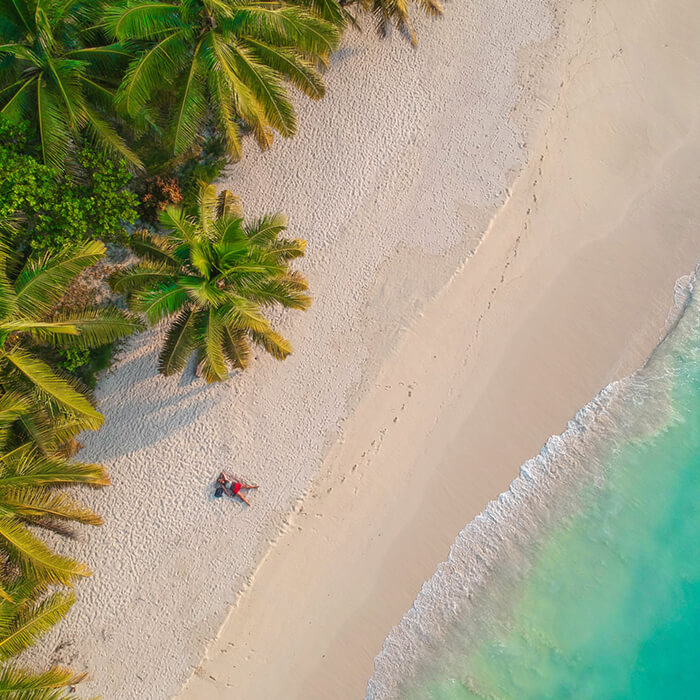
Madagascar’s beaches are stunning, but some have dangerous sea currents. Here are our tips for avoiding accidents:
- Ask the locals whether it is safe and permitted to swim (to avoid fady) before you take the plunge.
- Never swim alone, especially in the open sea.
- Be wary of the currents off the east coast, which are often very strong.
- Avoid crowded beaches and tidal zones
💡 Tip: Where can you swim safely? Nosy Be and Sainte-Marie are safer areas, with calm waters and few dangerous currents.
4. Travel Insurance: Essential cover
Medical facilities in Madagascar are limited outside the major cities. Travel insurance covering medical treatment and repatriation is strongly recommended. Your insurance should cover the following:
- Medical expenses and hospitalisation in the event of illness or an accident.
- Medical repatriation to your home country should the need arise.
- Coverage for lost or stolen luggage.
💡 Good to know: Make sure you check the terms and conditions and exclusions of your policy, especially if you’re planning activities such as diving or trekking.
Key points to remember
Aurélien M.
Local agent
Before you set off:
- Make sure you have your vaccinations and preventative treatments.
- Put together a suitable first-aid kit.
- Take out comprehensive travel insurance.
On site:
- Drink only bottled water and eat thoroughly cooked food.
- Use mosquito repellent and sleep under a mosquito net.
- Be careful in large cities and do not go out alone at night.
- Avoid swimming in dangerous areas and ask the locals for advice.
Madagascar is an extraordinary destination, and by taking these few precautions, you’ll be able to enjoy your stay to the full with complete peace of mind.