Souvenirs from Madagascar: what should you bring back to be sure you’ve got it right? (Buying guide)
Bringing back a souvenir from a trip means prolonging the experience, sharing a piece of culture and keeping a memento of your visit. Madagascar, with its unique handicrafts, its enchanting spices, its world-renowned gemstones and its exceptional natural products, is brimming with ideas for authentic souvenirs.
Whether you’re looking for a gift or want to bring a little bit of the Red Island home with you, here are the best souvenirs to bring back from Madagascar, combining authenticity, quality, local craftsmanship and exceptional materials.
Precautions regarding the export of souvenirs through customs
Madagascar, with its remarkable natural, artisanal and mining heritage, offers a wide range of local crafts, traditional products and gemstones that are unique in the world. Depending on your preferences, we offer a selection of souvenirs to add to your shopping list.
Before buying and exporting souvenirs from Madagascar, it is essential to comply with certain customs regulations in order to avoid any problems at the airport or at the border. Here are a few precautions to take:
1. Products of animal and plant origin:
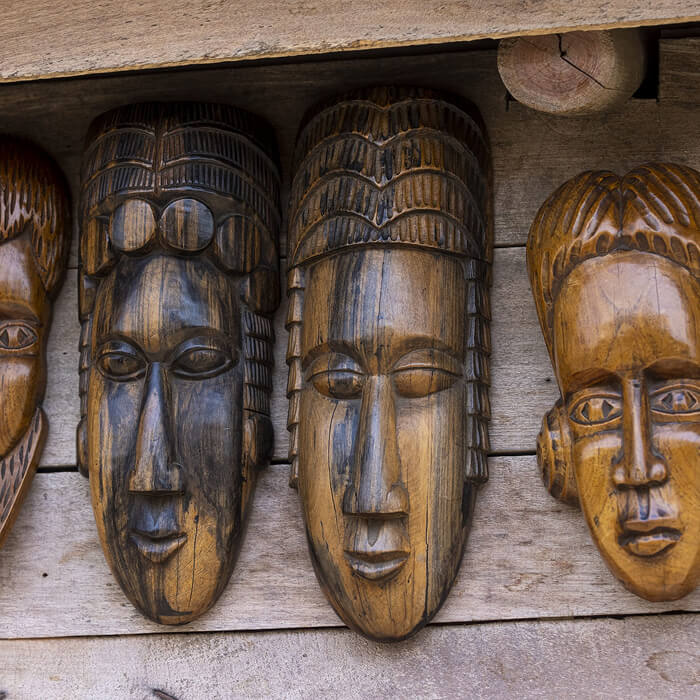
The export of products derived from protected species (tortoiseshell, coral, precious woods such as rosewood and ebony) is strictly prohibited. Ensure that carved wooden items come from legal sources and are accompanied by an invoice.
2. Vanilla, spices and coffee:
These products may be exported, but must be packed and labelled correctly. Quantities may be restricted depending on the country of destination. Choose products from certified producers where possible.
3. Jewellery, precious stones and zebu horn crafts:
Madagascar is one of the world’s leading producers of gemstones: sapphires, rubies, emeralds, amethysts, quartz, tourmalines, garnets… These gemstones, often mined by hand, are prized for their exceptional quality. Their export is permitted, but an official invoice, sometimes accompanied by a certificate of origin or authenticity, is strongly recommended, especially for stones that have been cut or set in jewellery. As for items made from zebu horn, there are no particular issues, but it is best to make purchases from recognised workshops.
4. Flavoured rum and other spirits:
Check the allowances permitted by your destination country. Certain quantities may be restricted. Alcohol must be carried in the hold, properly packed, and comply with airline regulations.
5. Antaimoro paper and handicrafts:
Generally speaking, there are no issues with exporting, but it is best to buy from local craftspeople or certified shops to ensure the items are of legal origin and of good quality.
Practical advice: Before you leave, check with the Malagasy customs authorities (www.douanes.gov.mg) and the customs authorities in the country you are returning to. At the airport, declare any valuable items (gemstones, jewellery) to avoid confiscation or fines.
Pierres précieuses de Madagascar : Trésors naturels de l’île
Why bring some back? : Madagascar is world-renowned for the abundance and exceptional diversity of its gemstones. Rubies, sapphires, emeralds, rose quartz and tourmalines: the island is home to some of the world’s most famous deposits.
Whether you’re a jewellery lover, a collector or simply a curious traveller, Malagasy stones make wonderful, authentic souvenirs, often cut and polished by local craftspeople.
- Sapphires from Madagascar: of remarkable quality and highly sought-after for their vivid colour.
- Ruby: prized for its deep colour and rarity.
- Tourmaline (including the famous multicoloured tourmaline): perfect for unique jewellery.
- Amethyst & Rose Quartz: gentle stones, very popular in crystal healing.
- Peridot, garnet, labradorite: affordable, locally sourced stones that are very attractive.
Where can you buy them? At the craft markets in Antananarivo (Andravoahangy, Analakely) or directly from gemstone cutters in Antsirabe, which is renowned for its expertise in gemstone cutting.
Top tip: choose certified sellers to ensure the authenticity and quality of the stones.
La Vanille de Madagascar : L’or noir de l’Île
Why bring some back? : Madagascar produces the world’s finest vanilla, renowned for its powerful aroma and exceptional quality.
Bourbon vanilla is a must-have for anyone who loves cooking and baking. You can find it in various forms:
- Whole pods (the best way to preserve the full flavour).
- Natural vanilla extract (ideal for flavouring your desserts).
- Handcrafted vanilla sugar – a treat for baking.
Where can you buy them? At the markets in Nosy Be, Antananarivo or on the island of Sainte-Marie, from local producers.
Raffia and Craftwork in natural fibres
Why bring some back? : Madagascan raffia crafts are renowned worldwide for their finesse and elegance.
Handcrafted, these products are both durable and attractive:
- Raffia bags and baskets, perfect for adding an exotic touch to your everyday life.
- Traditional, stylish and lightweight hats.
- Embroidered tablecloths and placemats – an authentic and elegant souvenir.
Where can you buy them? At the craft markets in Antananarivo (La Digue Market) or in Ambositra, the capital of Malagasy crafts.
Woodcraft from Madagascar
Why bring any back? : Madagascar is renowned for its fine woodwork and its intricate carvings.
Among the most beautiful creations:
- Wood carvings made from rosewood or ebony, depicting scenes from everyday life or iconic animals.
- Miniature wooden houses, faithful reproductions of traditional Malagasy homes.
- Traditional musical instruments, such as the valiha, a bamboo zither typical of the island.
Caution: Always check that the timber comes from legal and sustainable sources, as some species are protected.
Le Papier Antaimoro : Un artisanat unique
Why bring some back? : It is handmade paper decorated with dried flowers, crafted using traditional techniques.
Originating from the Ambalavao region, Antaimoro paper is used for:
- Notebooks and memory albums.
- Handmade postcards.
- Unique lampshades and wall decorations.
Where can you buy them? Directly from the Ambalavao workshops, where you can watch the items being made.
Spices from Madagascar: A culinary journey to take home
Why bring any back? : Madagascar is a real paradise for spice lovers.
Not to be missed:
- Black pepper from Madagascar: intense and fragrant.
- Turmeric and fresh ginger, with their strong flavours.
- Cinnamon sticks – perfect for adding flavour to your dishes.
- Cloves from the East Coast, prized for their unique flavour.
Where can you buy it? At local markets in Antananarivo, Nosy Be and Tamatave.
Jewellery made from zebu horn and silver
Why bring some back? : Madagascan jewellery craftsmanship is both elegant and ethical.
Among the finest pieces of Malagasy jewellery:
- Lightweight, natural zebu horn bracelets and necklaces.
- Silver jewellery, often inspired by traditional Malagasy motifs.
- Rings and earrings made from semi-precious stones, such as labradorite or rose quartz.
Where can you buy them? In the jewellers’ workshops in Antsirabe and at the craft markets.
Chocolate and coffee from Madagascar
Why bring any back? : Madagascar produces high-quality cocoa and coffee.
- Dark chocolate from Madagascar, renowned for its intense, fruity flavour.
- Coffee from the Itasy region, grown in the shade of tropical forests, with a full-bodied flavour and a hint of acidity.
Where can you buy it? In delicatessens and specialist shops in Antananarivo and Nosy Be.
Le rhum arrangé : Une explosion de saveurs
Why bring some back? : Madagascan flavoured rum is a traditional drink, infused with tropical fruits and spices.
The most popular flavours:
- Flavoured rum with vanilla and spices.
- Lychee rum, sweet and fruity.
- Ginger and lemon rum – perfect for those who love a bit of a thrill.
Where can you buy it? From local producers or in specialist shops.
Les huiles essentielles de Madagascar
Why bring some back? : Madagascar is a world leader in the production of organic essential oils.
Must-sees:
- Ravintsara essential oil, with antiviral and soothing properties.
- Ylang-ylang oil, used in perfumery and for relaxation.
- Niaouli oil, known for its purifying properties.
Where can you buy them? At local co-operatives in Nosy Be and Tamatave.
A Lamba: The traditional Malagasy garment
Why bring some back? : Lamba is a colourful, traditional fabric worn by both men and women.
It can be used as:
- A pareo or an elegant shawl.
- Decorative fabric for the home.
- A symbolic gift steeped in cultural significance.
Where can you buy them? At local markets and craft shops in Antananarivo or Antsirabe.
Key points to remember

Aurélien M.
Local agent
Madagascar is brimming with incredible national parks, each offering a unique experience :
- For food lovers → Vanilla, spices, chocolate, flavoured rum
- For craft enthusiasts → Raffia, carved wood , Antaimoro paper
- For a touch of elegance → Jewellery made from zebu horn or silver
- For wellness enthusiasts → Essential oils, coffee
Every souvenir tells a story about Madagascar, blending tradition, nature and authenticity.