Budgets


Nosy Be

Makay | Bekopaka | Morondava


Summary :

Angela M.
EXPERT ADVISER

Makay | Bekopaka | Morondava

TREKKING

BUSH CAMP

UNWIND
Because every path leads to a new discovery

A strategic access point to North Makay, a supply base before excursions into the heart of Makay.
Malaimbandy
 Sakoazato
The starting point for treks to the Makay canyons and the first campsite, accessible via Morondava.
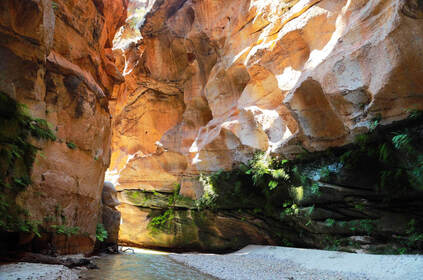
The end of the trek north of Makay, known for its steep canyons and narrow passages.
Tsiazorambo
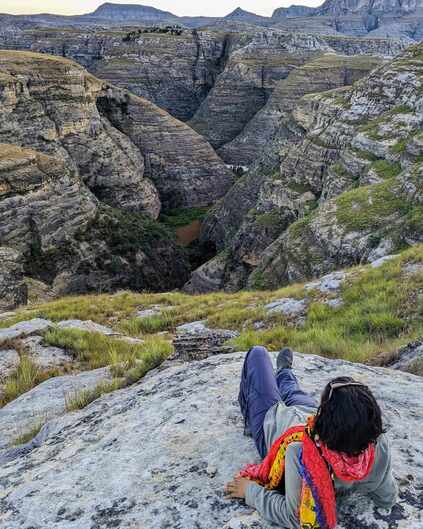
Base camp for exploring the massif’s gallery forests.
Bekignana
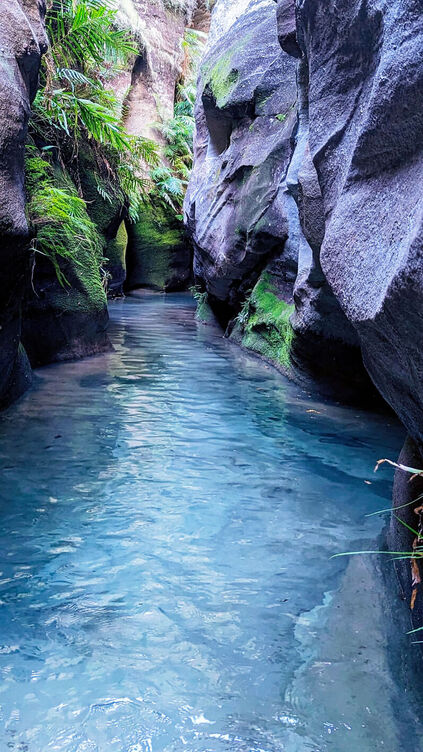
A campsite near a natural cave used as a temporary shelter.
Andranomitea
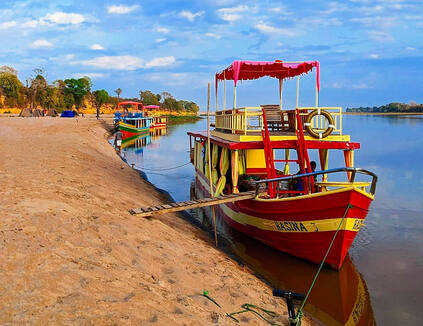
An adventure by canoe or barge, drifting along the river through unspoilt wilderness.
Masiakampy
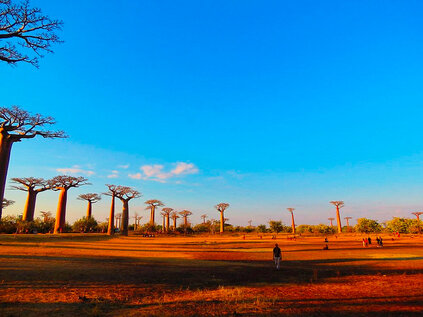
A majestic row of thousand-year-old baobabs, a natural symbol of Madagascar’s biodiversity.
Morondava
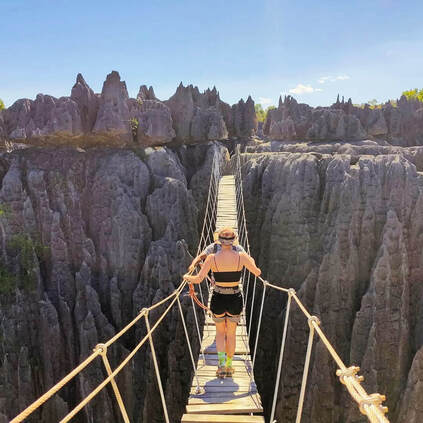
Spectacular karst formations, canyons, suspension bridges and unique biodiversity.
Bemaraha Tsingy
A selection of organised tours in Madagascar.
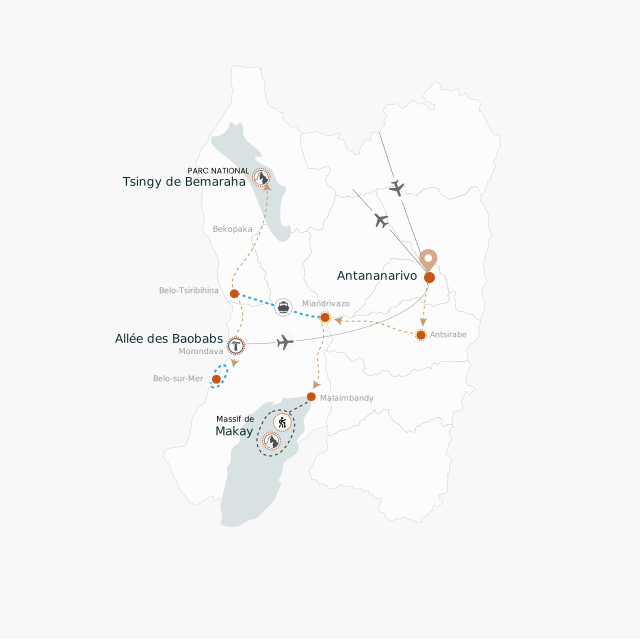
Early morning departure from Antananarivo heading south along the famous National Road 7. This leg of the journey immediately immerses you in the atmosphere of the Highlands: hills of red earth, terraced rice fields and traditional villages.
Arrival in Antsirabe, the ‘City of Water’. Founded for its hot springs and cool climate, it has retained a unique colonial charm. The afternoon is spent exploring the town by rickshaw and meeting local craftspeople, renowned for their work with zebu horn.
After breakfast, we leave the highlands and head west. The landscape changes dramatically: the lush greenery of the Highlands gives way to a drier savannah and barren mountain ranges.
The descent continues to Miandrivazo, situated on the banks of the Mahajilo River. This town is known as one of the hottest places on the island and is the main gateway to adventures on the Tsiribihina River.
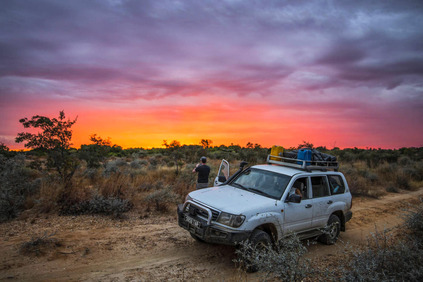
Start the day with a journey by 4x4 from Miandrivazo to Malaimbandy, where the tarmac road ends. From there, the track turns into a path running alongside the majestic Bongolava mountain range. The route becomes more secluded, passing through unspoilt natural surroundings.
After a picnic lunch en route, the adventure continues on foot for around two hours of walking. As you approach the first foothills of the Northern Makay, you will begin to make out the massif’s characteristic sandstone ridges. Camp is set up in a remote village, on the edge of the massif, allowing you to immerse yourself in the great outdoors from the very first night.
After a short transfer to get closer to the entrance to the mountain range, the hike begins across a dry riverbed, marking the official entrance to the Makay. The first few hours are spent walking up this flanked by high cliffs and characterised by typical dry forest vegetation. As we make our way along, we discover the Andranomitea Cave, a natural cavity used as a shelter by travellers and trackers of yesteryear in the massif.
The ascent then continues towards the 1,034-metre peak, offering a breathtaking view of the Makay’s canyons and rocky labyrinths. Once at the summit, the descent follows a tributary towards the Janjy Valley, our campsite for the night. This secluded camp in the heart of nature will provide an opportunity for a well- deserved rest, lulled by the sounds of the dry forest and the stories of the local team.
Sign up for free to access the full programme!
To ensure the authenticity and exclusivity of our trips, we invite you to register or create an account to access the detailed programme, the options and the travel guide reserved for registered users.
This day involves a complete east-to-west traverse of one of the most rugged sections of the Makay. From the very start, the hike takes us through steep-sided valleys and isolated plateaus, revealing ever-changing landscapes. We follow paths punctuated by easy climbing sections which add a technical and enjoyable element to the hike.
We’ll spend the night camping near the Sakapaly River, in a peaceful setting surrounded by nature. Before we get there, we’ll stop at the Ikaosy River for a picnic upstream. The entire logistics team – guides and porters – ensure the day runs smoothly by setting up camp at each stop along the way. A physically demanding day, but one rich in geological and botanical discoveries.
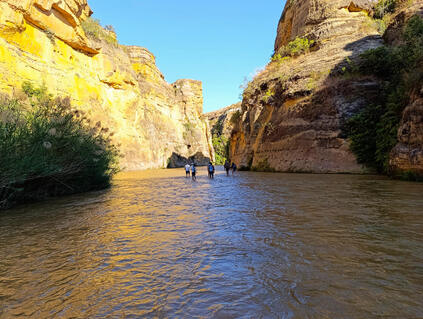
Today, we’re exploring the hidden landscapes of the Makay on a circular walk around Sakapaly. The route takes us through a narrow canyon, some 3 to 4 km long, carved out of sandstone, where light filters through the rock faces. This winding gorge opens out into a hanging valley, offering a striking contrast between tropical vegetation and rocky cliffs.
We reach a second canyon, completing a full loop around the massif. This route reveals a remarkable diversity of landscapes: rocky slabs, dry micro-forests, tunnels of vegetation. Every turn reveals a different facet of this natural labyrinth. At the end of the day, we return to the Sakapaly campsite where we spend a second night camping. Dinner around the campfire and complete immersion in the tranquillity of the mountain range.
Early in the morning, we leave our camp at Sakapaly to continue our trek across the mountain range towards Andasy Be Rivotsy. Today’s route begins with a gradual ascent to a sandstone plateau which overlooks the entire region. This natural promontory offers a spectacular 360° panoramic view of the canyons, deep-cut valleys and wooded massifs in the surrounding area. This high-altitude walk reveals savannah landscapes dotted with boulders and clumps of dwarf palms, symbols of the Makay’s endemic ecosystem.
After a picnic lunch in the shade of a dry forest grove, the descent begins gently towards a new, steep-sided canyon. This marks the entrance to a new, hidden valley, which we’ll follow until we reach our campsite for the evening, nestled between two ochre-coloured rock faces. The profound silence of the place and the total absence of modern infrastructure heighten the sense of isolation. In the late afternoon, you can rest, explore the area around the camp or enjoy a relaxing moment with the logistics team.
Early in the morning, we leave the Andasy Be Rivotsy camp, walking along a canyon that winds its way to the outskirts of the village of Tsiazorambo. This final stretch on foot, lasting around 4 hours, marks the end of our immersion in the Makay massif. The scenery changes as we descend, giving way to savannah landscapes dotted with the occasional dwelling and village crops.
On arrival at the exit point from the mountain range, we meet up with the 4x4s for a transfer to Malaimbandy, then continue by road to Miandrivazo. This quiet little town, on the banks of the Tsiribihina, welcomes us for a well-deserved night’s rest in simple yet comfortable accommodation. The atmosphere here is warm and welcoming, perfect for a moment of relaxation after several days of exploring the heart of the wilderness.
Setting off from Masiakampy for a two-day expedition down the Tsiribihina River – an unforgettable adventure through spectacular landscapes and teeming wildlife. Aboard a barge, you’ll drift along at the river’s own pace. Stops in remote villages will offer a special opportunity to interact with the locals and discover their daily lives. Along the way, refreshing breaks will be arranged, notably at the magnificent Tsiribihina waterfall, where a swim is a must. Evenings under the stars, lulled by the murmur of the water, will feature traditional meals prepared over a wood fire by the crew. The campsites in the heart of nature will add an authentic and immersive dimension to this unique adventure.
After waking up by the water’s edge, the journey continues through the meandering reaches of the Tsiribihina. You’ll come across cargo barges, canoeists, and scenes of everyday life typical of the Malagasy riverbanks. Stop off at the village of Begidro, renowned for its old tobacco plantations which are still cultivated using traditional methods, with the opportunity to visit a storage warehouse. Further on, you’ll sail past the cliffs of Kina Kina, home to giant bats, before discovering the rice paddies and giant capok trees. Pass through the village of Berevo, which is more organised with its Catholic school, health centre and police station. At the end of the day, stop at Ambatomisay to admire your first Andasonia Za baobabs. Camp is set up on a wild beach for a second night under the stars. After dinner, you’ll enjoy a family-friendly performance of traditional dance around the campfire.
After a final stretch of the journey along the Tsiribihina River, we reach the bustling town of Belo-sur-Tsiribihina. A short stop allows us to enjoy a local lunch before boarding our vehicles for a 4x4 journey to Bekopaka. The journey takes us through semi-desert landscapes dominated by majestic baobabs, and includes the spectacular crossing of the Manambolo ferry, marking the official entrance to the Tsingy de Bemaraha region.
Arrival at Bekopaka in the early afternoon allows you to start straight away a first visit to the national park. We begin by exploring the Andadoany Cave, an underground site with impressive formations, then let’s carry on with a a walk through the Petit Tsingy. This first glimpse of the limestone massif already offers a striking insight into the unique mineral world of the tsingy: jagged peaks, narrow canyons, endemic wildlife. At the end of the day, check in at the ecolodge for a restful night’s stay on the banks of the Manambolo River.
A morning spent enjoying a peaceful trip in a traditional dugout canoe on the Manambolo River. As you drift along the river, you’ll discover the impressive gorges with their steep walls, home to sacred caves and ancient tombs of the Vazimba people.
The exploration continues on foot as you discover the Petits Tsingy. This route provides an excellent introduction to the Bemaraha massif. Through a maze of limestone and along botanical trails, you’ll reach several viewing points offering breathtaking views of the river and the geological formation before tackling the Grand Tsingy the following day.
A day entirely devoted to exploring the Grand Tsingy de Bemaraha, a geological gem listed as a UNESCO World Heritage Site. First thing in the morning, we venture into the heart of this impressive limestone massif, formed by a multitude of jagged peaks and deep gorges. This vertical adventure takes us through underground passages, suspension bridges, dizzying ridges and primeval forests hidden amongst the fissures.
The hike offers the perfect balance between physical exertion and visual wonder. Throughout the route, you’ll have the chance to spot some exceptional wildlife: lemurs , chameleons , endemic birds and sometimes even bats nesting in the caves. Spectacular panoramic views unfold one after another, revealing all the untamed splendour of Bemaraha. Return to the ecolodge at the end of the day for a well-deserved rest in peaceful surroundings.
Early morning departure for Belo-sur-Tsiribihina. Along the way, there are several stops where you can explore traditional Sakalava villages, where the wooden, thatched-roof houses reflect an ancestral way of life. This journey through the wild landscapes of western Madagascar offers a unique cultural immersion, punctuated by opportunities to interact with the villagers.
Arrival in Belo-sur-Tsiribihina late in the morning for lunch at a local restaurant, before boarding the Tsimafana ferry. In the afternoon, we head for the Avenue of the Baobabs, an iconic site offering a stunning spectacle at sunset. Once there, we stop at the famous Baobab of the Lovers, a natural curiosity where two intertwined baobabs symbolise a romantic local legend. The golden light of twilight transforms this spot into a veritable postcard scene. End the day in Morondava, checking in at the hotel.
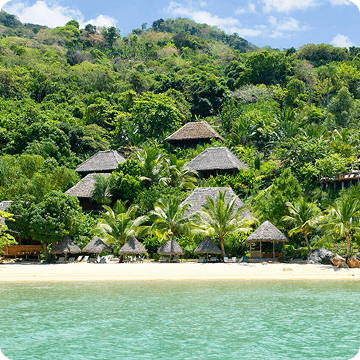
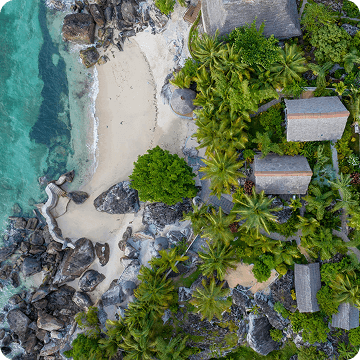
These two days are set aside for relaxation and exploring the western coastline, in the charming village of Belo-sur-mer, renowned for its unspoilt beaches and peaceful atmosphere. Nestled between a turquoise lagoon and a mangrove forest, this small Vezo fishing port offers an idyllic setting to recharge your batteries. Lazing on the fine sand, swimming in the clear waters or strolling to the rhythm of the tides: everyone sets their own pace in this picture-postcard setting.
For those who are curious, Belo-sur-mer is also a place steeped in maritime traditions. You can visit the shipyards where dhow boats are built – these traditional sailing vessels are the pride of the local shipwrights. The more adventurous can set off on an excursion to the surrounding islets in a outrigger canoe, to discover seabirds and coral reefs. At the end of the day, the sunset over the sea offers an unforgettable spectacle, in a calm and welcoming atmosphere.
In the morning, transfer along the coastal track from Belo-sur-mer to Morondava, passing through fishing villages and the unspoilt landscapes of the west coast. This 4x4 journey offers a final chance to soak up the typical scenery of the Menabe region.
On arrival in Morondava, you’ll have some free time depending on your flight schedule, followed by a transfer to the airport for your flight to Antananarivo (MOQ → TNR).
 Would you like to tailor this trip to suit your availability?

Budgets
A 6-day trek in the Makay with a full expedition team, 2 days by barge on the Tsiribihina, 3 days at the Tsingy de Bemaraha and 2 days’ rest in Belo-sur-Mer. You walk; we carry your bags and cook for you.
 A dedicated expedition team: a French-speaking guide, trackers, porters, a cook and a local logistics officer. You walk with your day pack; the team carries the camp equipment
 6-day trek in the Makay massif (Days 3 to 8): narrow gorges, Andranomitea Cave, a peak at 1,034 m, easy climbing sections
 7 nights camping (5 in the Makay, 2 on the banks of the Tsiribihina), with tents and camping equipment provided and set up by the team
 9 nights in hotels and eco-lodges: Antsirabe, Miandrivazo, 3 nights in Bekopaka, Morondava and 2 nights in Belo-sur-Mer
 A crewed barge trip down the Tsiribihina (Days 9 & 10): waterfalls, remote villages and traditional dancing around the fire
 3 days at the Tsingy de Bemaraha (UNESCO): Andadoany Cave, Petit Tsingy, a canoe trip through the Manambolo Gorges and Grand Tsingy
The Avenue of the Baobabs at sunset and the Lovers Baobab’
 Full board throughout the trek and the river descent (meals cooked over a wood fire), half board on Days 1, 2 and 8, and all breakfasts
 All transfers by private 4x4 over a distance of approximately 680 km, including access tracks to Makay and ferry crossings
Entry fees for the Makay massif and the Tsingy de Bemaraha National Park, including local guides
 The return flight from Morondava to Antananarivo, which saves you a two-day drive
 International flights and associated charges: we’ll let you know which flight times fit in with the programme
The visa: around €35 per person for a stay of less than one month
Travel insurance covering trekking and repatriation – essential for the Makay
Your sleeping bag and personal hiking kit (list provided in the practical information)
Meals not specified, drinks, tips for the team and personal expenses
Optional activities (canoe trips to the islets off Belo-sur-Mer, specialised tours, etc.)
The supplement for single rooms and tents, subject to availability
Everything you need to know before you set off, from what to pack to the spirit of the journey.
The level of physical fitness The requirement varies depending on the trek. We offer treks for different levels, ranging from easy walks from a few hours to more challenging climbs a trip lasting several days in the mountains. Each itinerary clearly indicates the level of difficulty (easy, moderate, sustained, difficult) and provides guidance on the elevation gain, the duration of the walks daily and the type of land. Please do not hesitate to contact us if you have any queries regarding your aptitude for a specific trek.
Theequipment required will depend on the destination, from thealtitude and the duration of the trek. One recommended equipment list is provided for each journey, usually including the following: good walking shoes, some suitable clothing weather conditions (three-layer system), a comfortable rucksack, a water bottle or a water bag, a sun protection (hat, glasses, cream), a first aid kit personal and possibly some walking sticks. For treks in altitude or with night in a mountain hut/bivouac, from the specific equipment additional may be necessary (sleeping bag, floor mat, etc.).
Yes, your safety and ensuring you get the most out of your experience are our top priorities. Our treks are led by qualified and experienced mountain guides who know the region, its flora and fauna, and the trails inside out. They are responsible for navigation, the safety of the group, and sharing their knowledge of the environment you’ll be travelling through. For some easier or self-guided treks, the presence of a guide may vary, but this is always clearly stated in the trip description.
The type ofaccommodation varies depending on the trek and of the region. These may include nights in comfortable hotels before and after the trek, from mountain refuges more basic during the trek, or tent camps provided by us. Each itinerary for the trip specifies the type of accommodation planned for each stage. We always make sure to give priority to clean accommodation and offering a rest adequate after your days of walking.
Meal arrangements depend on the type of trek . Generally, breakfasts and dinners are taken at the accommodation (hotels or mountain huts). As for lunches on walking days, these are often prepared by our logistics team and may consist of hearty, energy-packed picnics (sandwiches, salads, dried fruit and energy bars ). We can cater for specific dietary requirements (vegetarian, vegan, allergies ) if you let us know in advance.
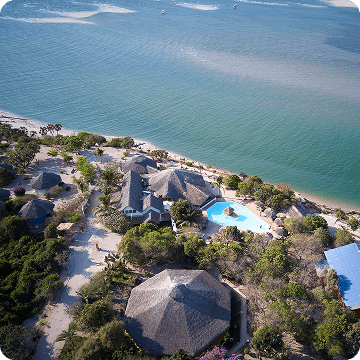
A trip to Madagascar: a selection of exceptional places to stay. Read more
14 days / 13 nights | From
 Share












The quality of our tours and the passion of our local guides are reflected in your reviews. Thank you for your trust.




Endemika Voyages Madagascar
, an accredited inbound tour operator in Antananarivo
,
Licence A No. 130-MTA/SG/DGT/DAIT/STAT-EDBM25
Tax Registration No. 5019337577
STAT 79110 21 2025 0 00875
RCS 2025 B 00031
© 2026 Endemika Voyages Madagascar. All rights reserved. Designed by Diary Raoelison
FREQUENTLY ASKED QUESTIONS:
 <